The Asian Development Bank ADB has approved a $50 million emergency assistance loan for the Maldives as the economic impact of the escalating conflict in the Middle East puts additional pressure on
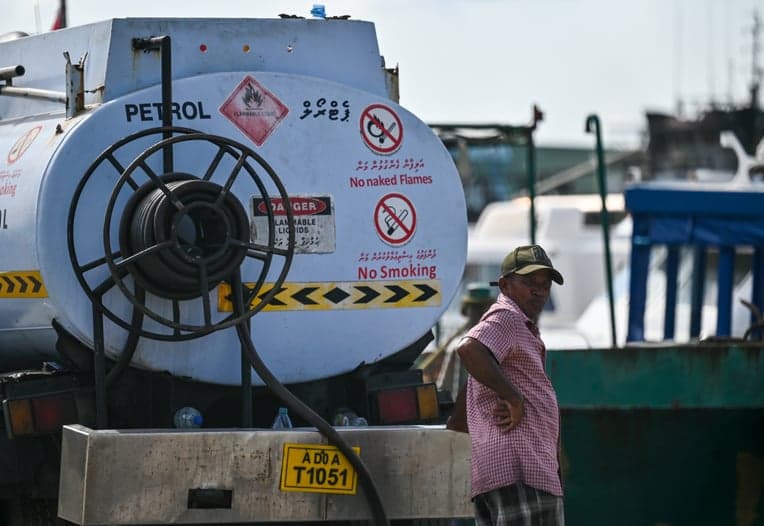
The Asian Development Bank (ADB) has approved a $50 million emergency assistance loan for the Maldives as the economic impact of the escalating conflict in the Middle East puts additional pressure on the country’s fuel supply and public finances.
The emergency financing will be used to support critical diesel imports, helping the Maldives maintain essential electricity and drinking water supplies amid rising fuel costs and reduced tourism activity.
The Maldives relies heavily on imported fuel, with approximately 94 percent of the country’s electricity generated using imported fuel. The same fuel supply is also essential for operating desalination facilities that provide drinking water.
ADB said the conflict has contributed to higher fuel prices while affecting tourist arrivals, placing further strain on the government’s capacity to finance fuel imports.
The $50 million assistance is therefore intended to help ensure uninterrupted access to essential services, particularly electricity and water, while also supporting other areas dependent on reliable fuel supplies.
According to ADB, the financing will help cover fuel requirements linked to electricity generation and desalination, as well as the transportation of food and medical supplies, inter-island movement of people and cargo, and waste management services.
“Conflict does not have to cross a border to enter a family’s home,” ADB President Masato Kanda said, highlighting the impact that international crises can have on essential services and household costs.
The ADB assistance complements $40 million in financing provided by the World Bank for similar fuel security needs in the Maldives.
The emergency loan forms part of an $800 million package announced by ADB for the Maldives and the Philippines, with the remaining $750 million allocated to support universal healthcare financing in the Philippines.
For the Maldives, the latest financing comes as the country remains particularly vulnerable to external shocks because of its dependence on imported fuel and tourism. Any prolonged disruption or sharp increase in fuel costs can have a direct impact on electricity generation, water production, transportation and the wider cost of living.
How did this land?
Share this story
Discussion
Comments are turned off for now.