The People’s Majlis has passed the Foreign Exchange Bill, introducing new measures aimed at strengthening the Maldives’ foreign exchange system, increasing the flow of foreign currency through the formal banking sector and
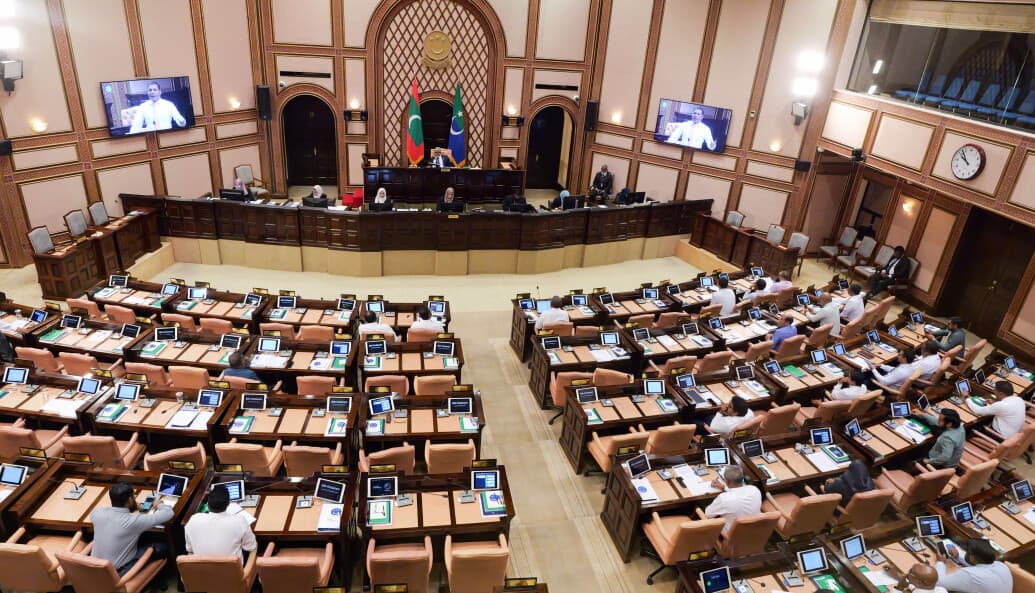
The People’s Majlis has passed the Foreign Exchange Bill, introducing new measures aimed at strengthening the Maldives’ foreign exchange system, increasing the flow of foreign currency through the formal banking sector and curbing the promotion of black-market exchange rates.
The bill was approved during today’s parliamentary sitting with 47 MPs voting in favour and 12 voting against.
Among its key provisions, the legislation requires resorts to convert 40 percent of their monthly foreign currency earnings through local banks. The measure is intended to increase the availability of foreign currency within the regulated financial system and strengthen the country’s management of foreign exchange.
The legislation also introduces restrictions on the publication and promotion of foreign currency exchange rates that exceed the official rates determined by the Maldives Monetary Authority (MMA).
Under the amendment approved by Parliament, publishing, disclosing or disseminating black-market exchange rates through digital platforms or other forms of media will constitute an offence. The provision is intended to discourage practices that could contribute to distortions in the foreign exchange market and undermine confidence in the official system.
Individuals found violating the provision may face fines ranging from MVR 25,000 to MVR 500,000, while legal entities and registered businesses may be fined between MVR 100,000 and MVR 5 million.
The law further provides that where an act prohibited under the Foreign Exchange Act also constitutes a criminal offence under another law, criminal proceedings may be initiated in addition to administrative measures.
Changes to resort foreign exchange requirements
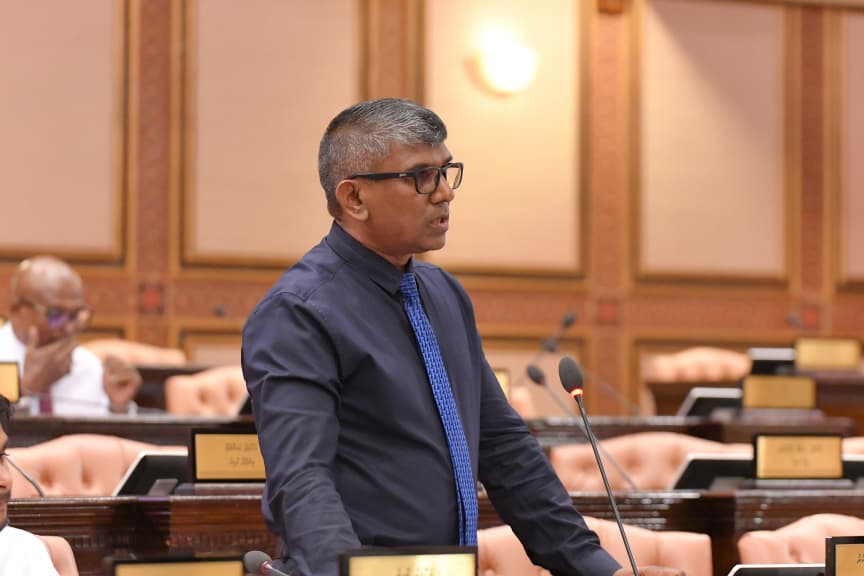
The bill was initially submitted to Parliament on behalf of the government by Holhudhoo MP Abdulla Sattar Mohamed.
The original proposal sought to remove the existing requirement for resorts to exchange USD 500 per tourist and replace it with a requirement to convert 20 percent of their total foreign currency earnings.
Following its initial consideration by the Majlis, the bill was returned to the relevant committee for further review and amendments. The provision was subsequently strengthened, with Parliament approving a requirement for resorts to exchange 40 percent of their monthly foreign currency revenue through local banks.
The change represents a significant component of the government’s broader efforts to improve foreign currency liquidity and strengthen the formal foreign exchange market.
Part of broader foreign exchange reforms
The new legislation comes amid efforts by the government and the MMA to address longstanding challenges in the Maldives’ foreign exchange market.
As a tourism-dependent economy, the Maldives receives a substantial share of its foreign currency through the tourism sector. Ensuring that a greater portion of these earnings enters the formal banking system can help improve foreign currency availability for businesses and individuals while supporting more effective management of the country’s foreign exchange reserves.
The measures are also consistent with reforms previously outlined by MMA Governor Ahmed Munawar to strengthen the foreign exchange framework and improve the functioning of the local currency market.
With the bill now passed by Parliament, the government is expected to gain stronger legislative tools to improve foreign exchange management, reduce reliance on informal currency markets and ensure greater circulation of foreign currency through the regulated financial system.
How did this land?
Share this story
Discussion
Comments are turned off for now.