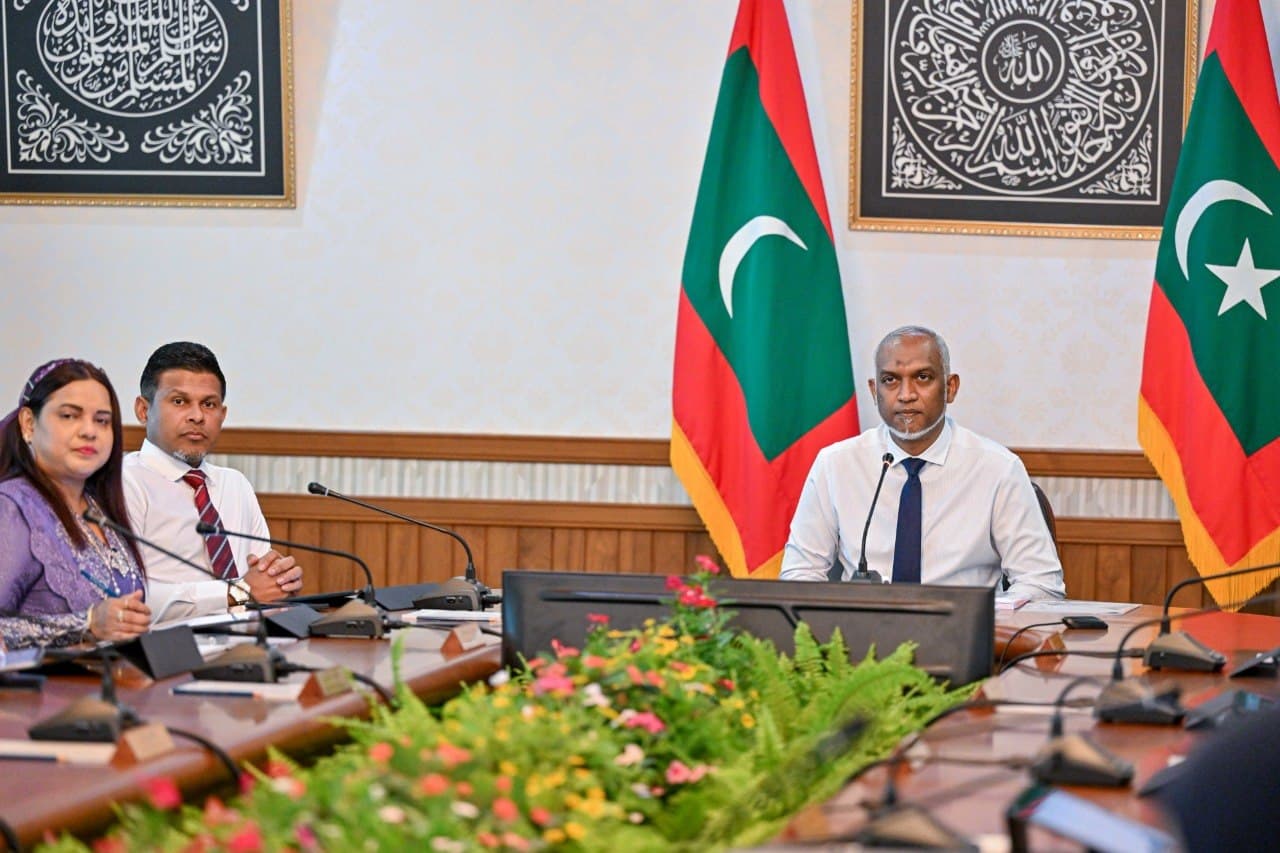
President Dr. Mohamed Muizzu has said the tourism industry should be able to comply with the new requirement for resorts to convert 40 percent of their foreign currency earnings through the Maldives
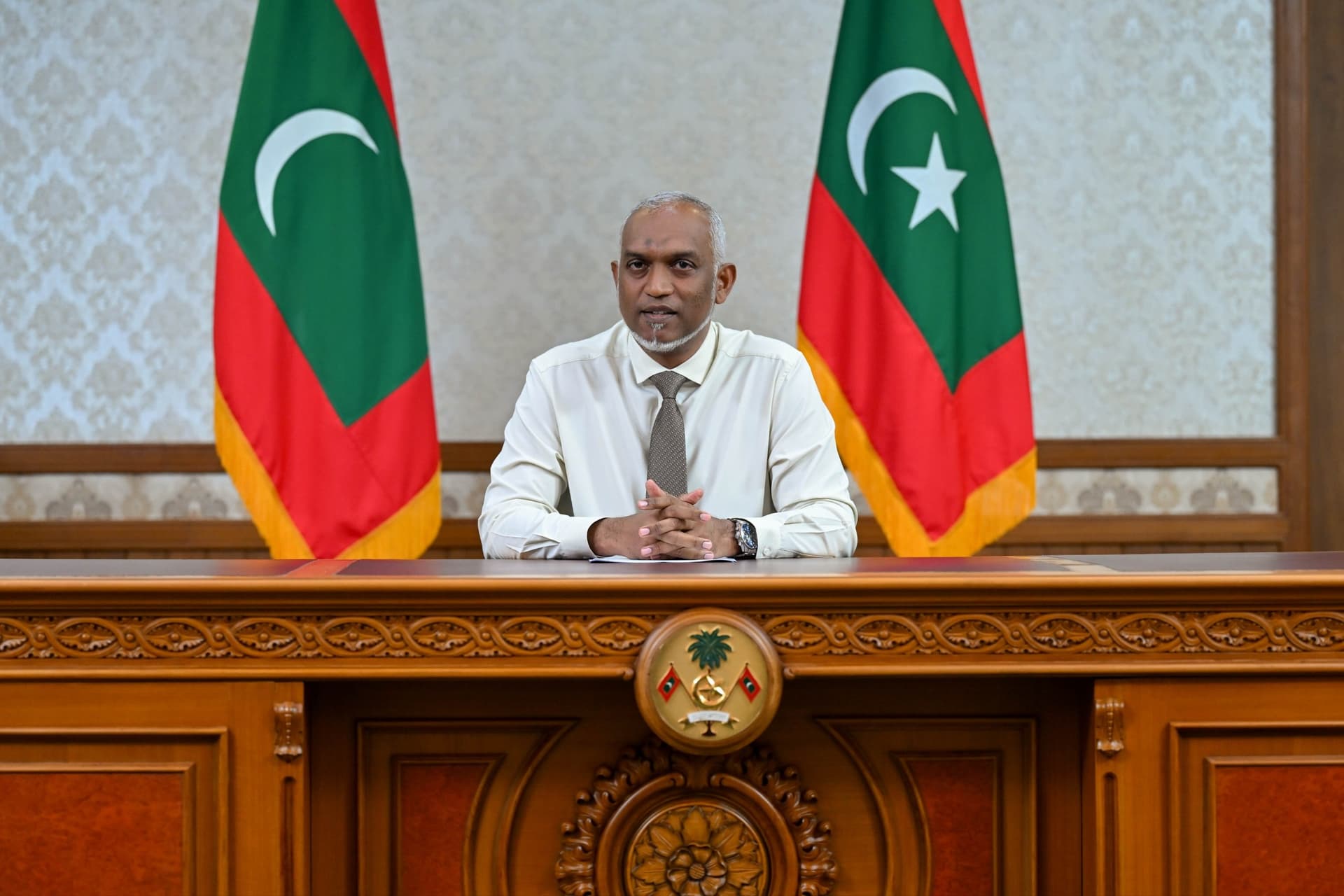
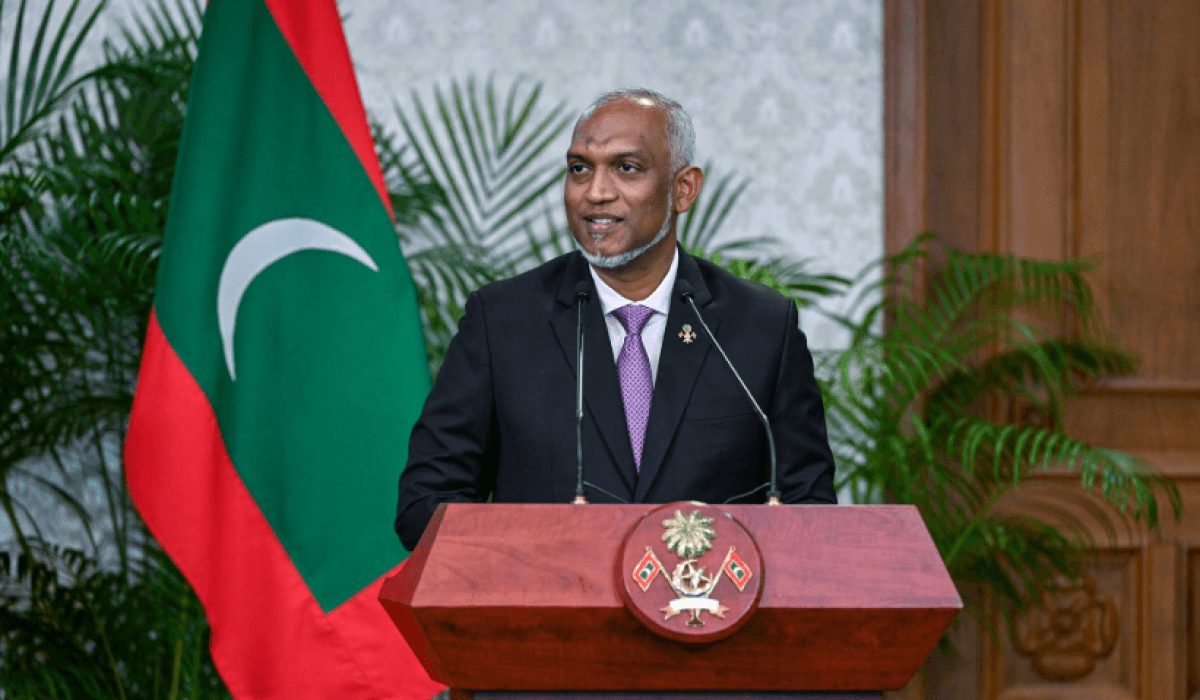
President Dr. Mohamed Muizzu has said the tourism industry should be able to comply with the new requirement for resorts to convert 40 percent of their foreign currency earnings through the Maldives Monetary Authority (MMA), while assuring that the measure should not disrupt dollar-based salary payments or routine business operations.
The President made the remarks on Monday afternoon during a ceremony at the President’s Office to ratify the Foreign Exchange Bill, which introduces the mandatory conversion requirement for the tourism sector.
Under the new framework, resorts will be required to sell 40 percent of their foreign currency revenue through the country’s financial system. The measure is part of the government’s broader efforts to increase the availability of US dollars in the domestic banking system and strengthen the use of the Maldivian rufiyaa for local transactions.
Addressing concerns over the impact on resorts, President Muizzu said the new requirement should not create significant difficulties for the industry. He said resorts would continue to have sufficient foreign currency to meet key financial commitments, including employee salaries, loan repayments and operational costs.
The President also stressed that workers should not lose access to salaries paid in US dollars because of the new regulation.
According to President Muizzu, tourism generated approximately USD 5.6 billion in receipts last year, while around USD 3.8 billion of that amount entered the formal banking system. He said the figures demonstrate that the tourism industry has a substantial foreign currency inflow and should therefore be capable of meeting the 40 percent conversion requirement.
The new policy comes as the Maldives continues to face pressure over foreign currency availability and the circulation of US dollars within the domestic economy. Tourism is the country’s primary source of foreign exchange, making the sector central to government efforts to improve dollar liquidity.
President Muizzu said the government’s longer-term objective is to transition domestic economic activity almost entirely to Maldivian rufiyaa by 2030. Under this approach, US dollars would primarily be used for imports and other international financial obligations, while transactions within the Maldives would increasingly be conducted in rufiyaa.
The implementation of the foreign exchange requirements has nevertheless drawn attention from tourism stakeholders, who have raised concerns about how the new rules could affect resort operations, foreign currency payments and the sector’s financial obligations.
The government has maintained that the reforms are intended to strengthen the country’s foreign exchange position without undermining the tourism industry, which remains the backbone of the Maldivian economy.
How did this land?
Share this story
Discussion
Comments are turned off for now.