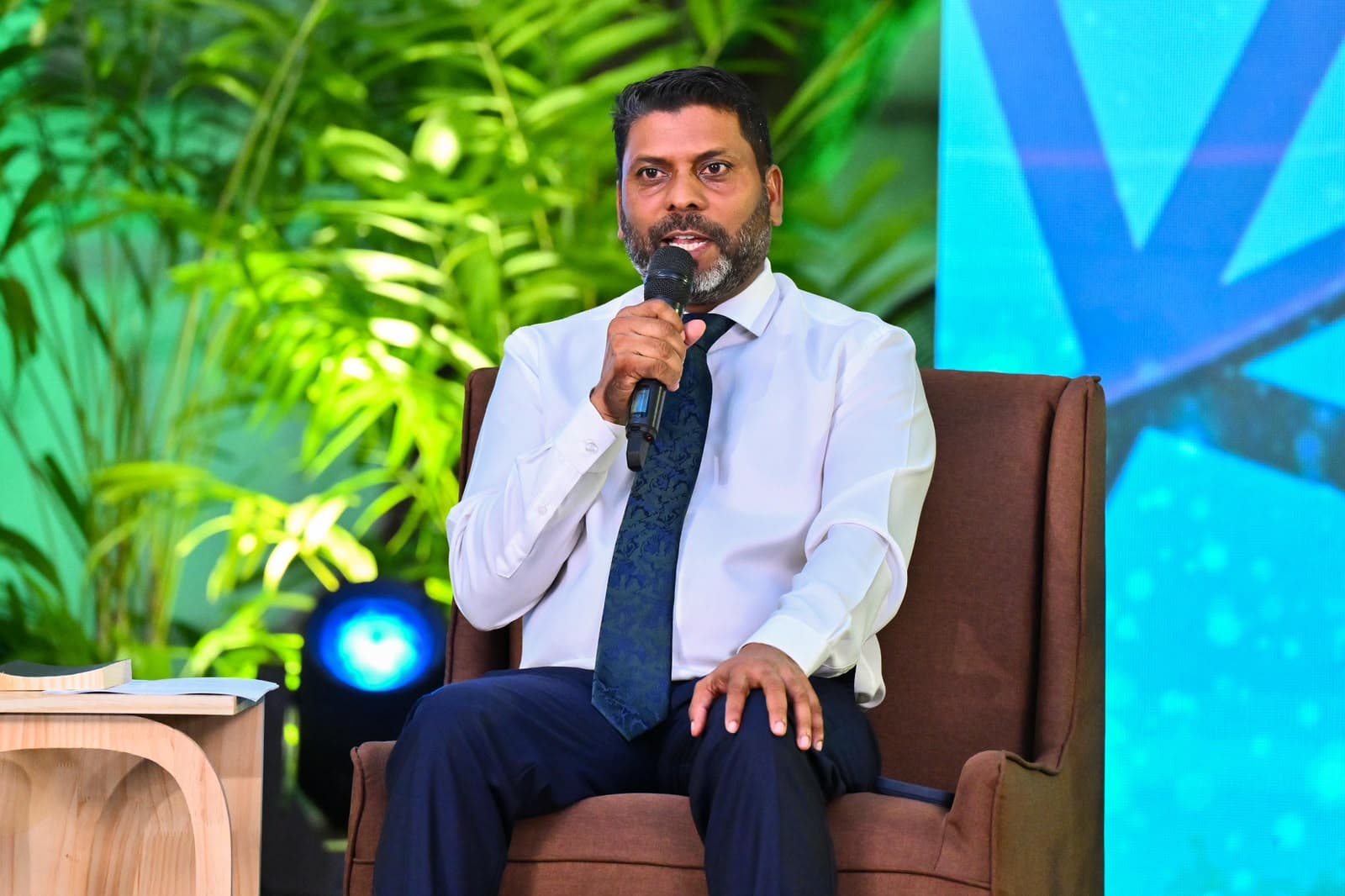
The Maldives’ fisheries sector is entering a new phase of growth, with Fisheries, Agriculture and Ocean Resources Minister Ahmed Shiyam stating that improved operational efficiency at the Maldives Industrial Fisheries Company MIFCO
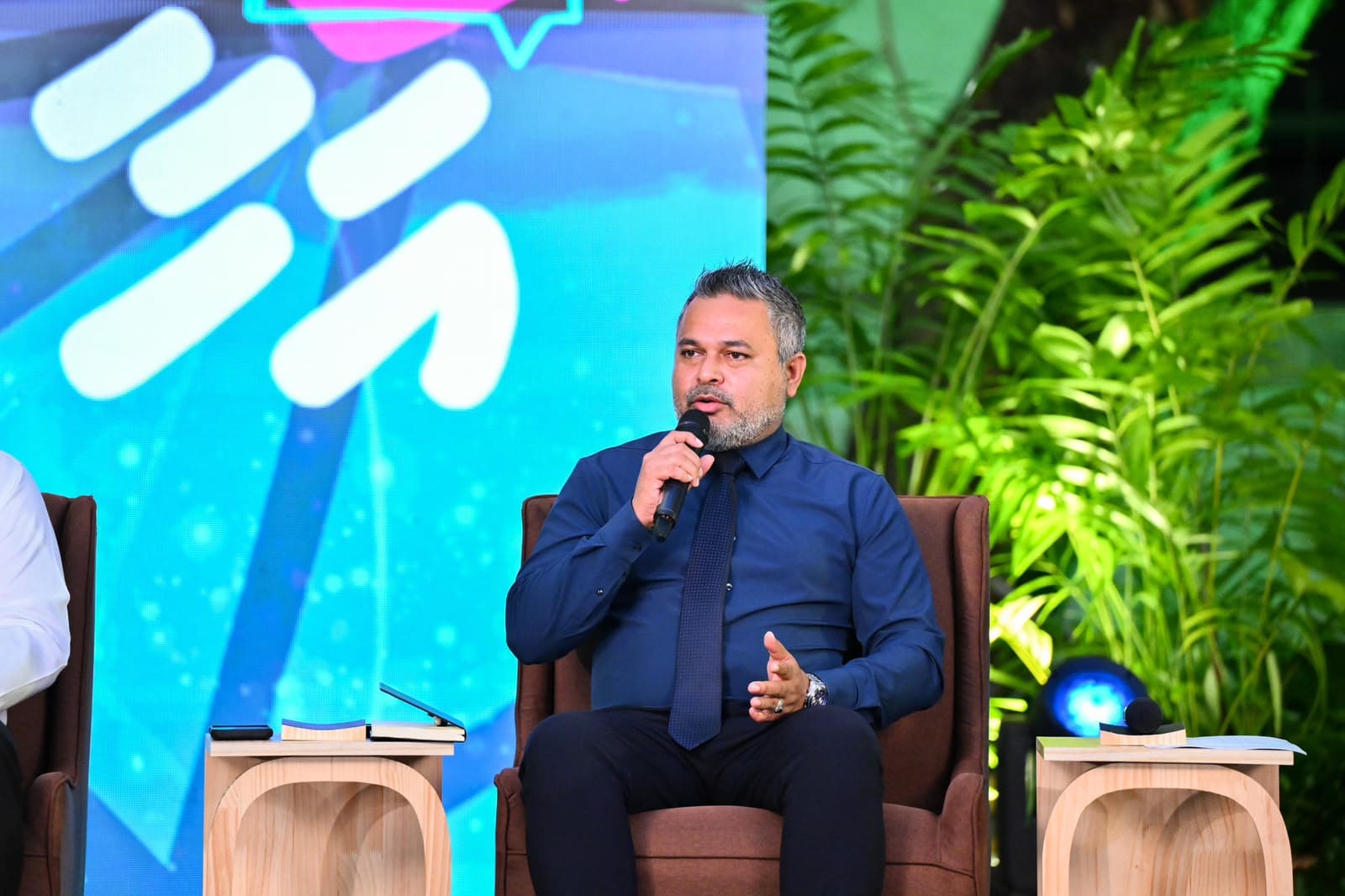
The Maldives’ fisheries sector is entering a new phase of growth, with Fisheries, Agriculture and Ocean Resources Minister Ahmed Shiyam stating that improved operational efficiency at the Maldives Industrial Fisheries Company (MIFCO) has eliminated the need for government subsidies to finance fish purchases from fishermen.
Speaking at the “Ahaa” forum last night, the Minister said the development represents a major transformation for an industry that has relied on government support for decades.
The Minister noted that the Maldives has now reached 40 years since the establishment of its first fish processing factory. Throughout successive administrations, the government has provided subsidies to MIFCO to ensure fishermen receive payments for their catches.
However, the Minister said improvements in MIFCO’s efficiency have now reached a point where the company can procure fish without requiring a single rufiyaa from the government for that purpose.
He said the government is simultaneously addressing longstanding challenges within the fisheries industry by expanding fish processing capacity, increasing cold-storage facilities and establishing additional ice plants, while providing concessions intended to reduce the operational burden on fishermen.
The Minister also highlighted President Dr. Mohamed Muizzu’s pledge to ensure that the purchase price of fish does not fall below MVR 20 per kilogram.
MIFCO is currently purchasing fish at MVR 22 per kilogram, with the pricing mechanism structured to remain competitive with prevailing market conditions. The Minister said payments to fishermen are now being settled within 48 hours, improving cash flow and providing greater financial certainty for fishing communities.
According to the Minister, these measures are contributing to stronger profitability for fishermen and helping create the conditions for sustained growth across the fisheries sector.
The Minister acknowledged that the fish export industry has faced structural difficulties over the years, particularly due to heavy reliance on MIFCO and policies that did not sufficiently support private-sector participation. He said the resulting decline in private companies weakened competition and affected the overall strength of the industry.
He said the government is now pursuing a different approach aimed at revitalising the sector, strengthening processing infrastructure and creating an environment in which both public and private operators can contribute to fisheries development.
The Minister also pointed to the changing global environment facing Maldivian fishermen. Fisheries in the Maldives have traditionally relied on environmentally sustainable fishing methods, including pole-and-line fishing, which has helped establish the country’s reputation for sustainably caught tuna.
However, he said industrial-scale net fishing in other countries and the effects of climate change have increasingly affected the profitability of the Maldives’ traditional fishing practices.
Against this backdrop, the Minister said the Maldives must explore opportunities to process fish caught outside the country’s Exclusive Economic Zone (EEZ) within Maldivian processing facilities.
He said such an approach could help ensure the long-term sustainability of the fisheries industry while allowing the Maldives to expand its processing and export capacity.
The government has identified fisheries as a key pillar of the Maldivian economy alongside tourism, with fishing providing livelihoods for communities across the atolls. Strengthening processing capacity, improving storage and ice infrastructure, ensuring timely payments and expanding market opportunities are therefore central to efforts to increase the value generated from the country’s marine resources.
The latest measures outlined by the Minister point to a broader shift from supporting fish procurement through government subsidies toward building a more commercially sustainable fisheries industry capable of generating greater value for fishermen and the wider Maldivian economy.
How did this land?
Share this story
Discussion
Comments are turned off for now.