Government spending on subsidies has surged by 86 percent so far this year, reaching MVR 3.1 billion, driven primarily by sharp increases in fuel and electricity subsidy costs amid rising global oil
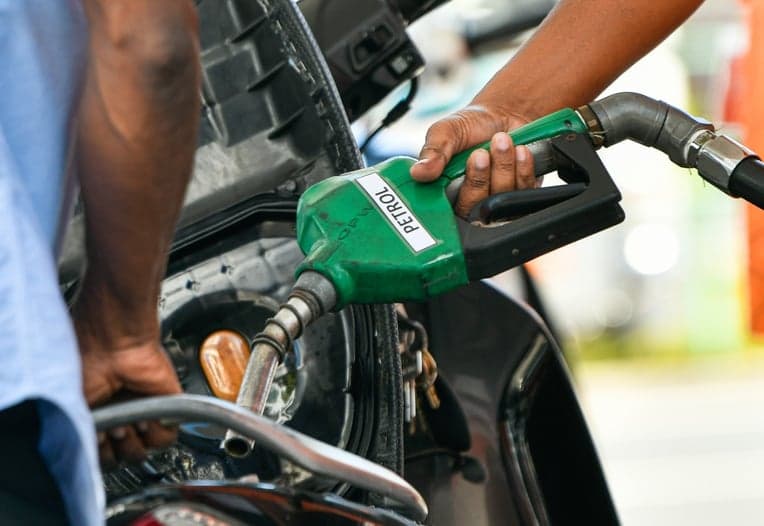
Government spending on subsidies has surged by 86 percent so far this year, reaching MVR 3.1 billion, driven primarily by sharp increases in fuel and electricity subsidy costs amid rising global oil prices.
The latest Weekly Fiscal Developments report released by the Ministry of Finance and Public Enterprises, covering the period up to July 16, 2026, shows subsidy expenditure rose significantly from MVR 1.7 billion during the same period in 2025.
The government subsidises the cost of essential goods and services to keep prices affordable for the public. These include staple food items, electricity, fuel used for power generation, transportation, waste management and sewerage services. The state budget covers the gap between the actual cost incurred by state-owned enterprises and the regulated prices charged to consumers.
According to the report, fuel subsidies recorded the largest increase, rising from MVR 702.1 million in 2025 to MVR 1.8 billion this year. The Ministry attributed the sharp rise to higher global refined oil prices, which have been affected by ongoing conflicts in the Middle East.
Electricity subsidies also increased substantially, climbing from MVR 341.3 million to MVR 626.7 million.
Waste management subsidy expenditure nearly tripled, rising from MVR 33.9 million to MVR 90.6 million, while transport subsidies increased from MVR 128.5 million to MVR 201.6 million.
Food subsidies also recorded an increase, reaching MVR 243.9 million compared to MVR 199.4 million during the same period last year.
However, not all subsidy categories saw higher spending. Fisheries subsidies declined significantly from MVR 207.4 million in 2025 to MVR 83.1 million this year.
Meanwhile, expenditure on sewerage service subsidies remained unchanged at MVR 67.8 million.
The figures indicate that fuel and electricity subsidies continue to account for the largest share of government subsidy expenditure in 2026, reflecting the growing fiscal impact of higher global energy prices.
How did this land?
Share this story
Discussion
Comments are turned off for now.