Physical construction work has commenced on Darussalam, the largest Waqf building to be developed in the Maldives, with the MVR 244 million project expected to be completed within 24 months. The project,
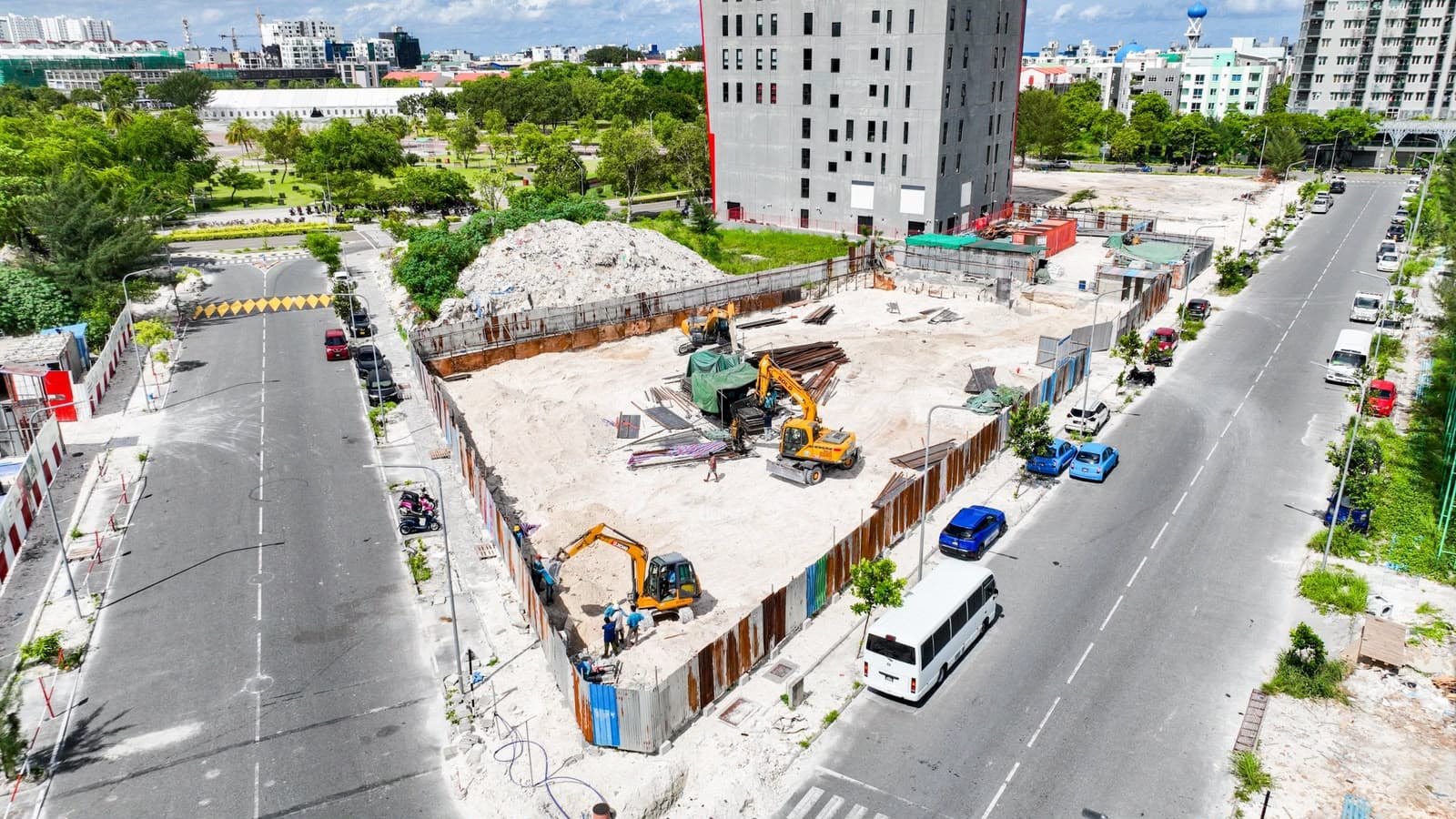
Physical construction work has commenced on Darussalam, the largest Waqf building to be developed in the Maldives, with the MVR 244 million project expected to be completed within 24 months.
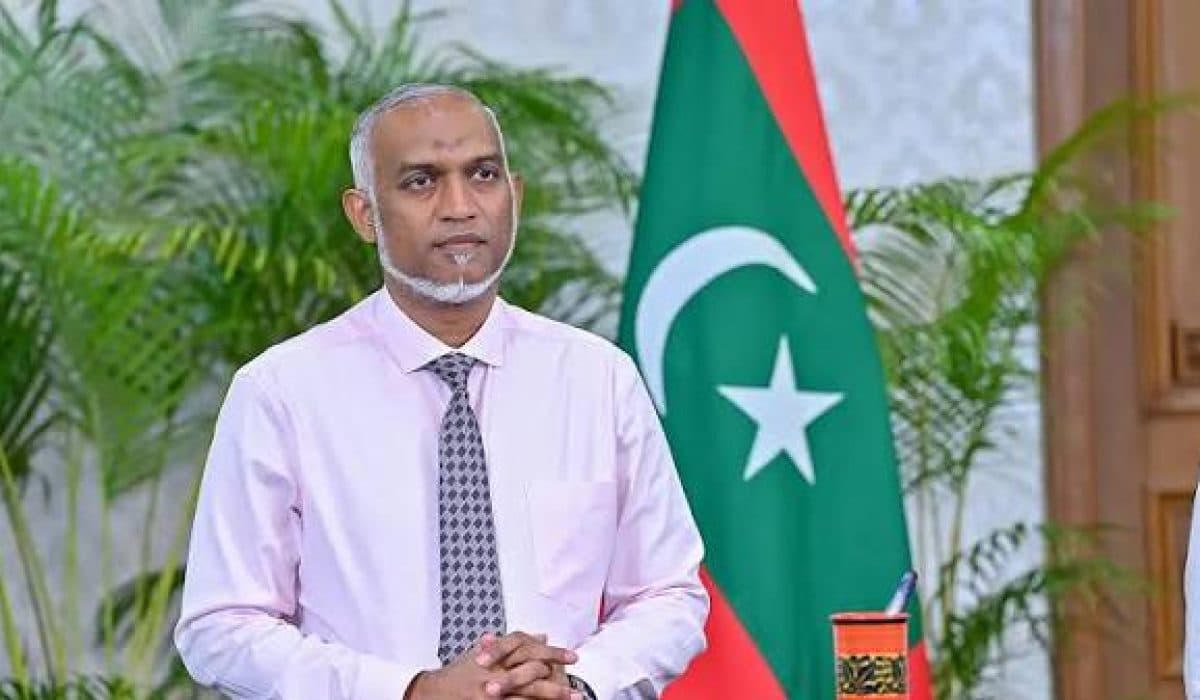
The project, being developed in line with President Dr Mohamed Muizzu’s pledge to expand Waqf funds and strengthen financial resources for Islamic activities, is located at Plot No. 11646 in Hulhumalé, opposite Amin Avenue.
The 13-storey building has been contracted to Rasheed Carpentry and Construction (RCC) and will include dedicated parking facilities and a reception area on the ground floor. The development will also feature a conference hall, modern office spaces, meeting rooms and a dedicated prayer room.
Other facilities planned for Darussalam include a daycare centre, elevators and accessibility features for persons with disabilities. The rooftop will be developed as an open terrace.
The project is being financed through Bank of Maldives Islamic Finance, with the Ministry of Islamic Affairs and Endowments stating that the development is expected to significantly strengthen the financial sustainability of the Islamic sector.
Once completed, Darussalam is projected to generate approximately MVR 60 million in annual income. Of this revenue, 20 percent will be allocated to the Zakat House, while the remaining 80 percent will be credited to the Islamic Waqf Fund.
The revenue-generating model is intended to strengthen the Waqf Fund’s financial base and provide additional resources for Islamic and charitable activities in the Maldives.
As part of the contract, RCC will also be responsible for maintaining the building for five years following completion, ensuring the facility remains operational and well maintained after it enters service.
Waqf is an Islamic charitable endowment system in which assets or funds are dedicated to religious, social and charitable purposes, with income generated from those assets used to support designated beneficiaries and activities. The government has been seeking to expand Waqf-based assets as a means of creating sustainable funding for Islamic affairs and related community services.
How did this land?
Share this story
Discussion
Comments are turned off for now.